
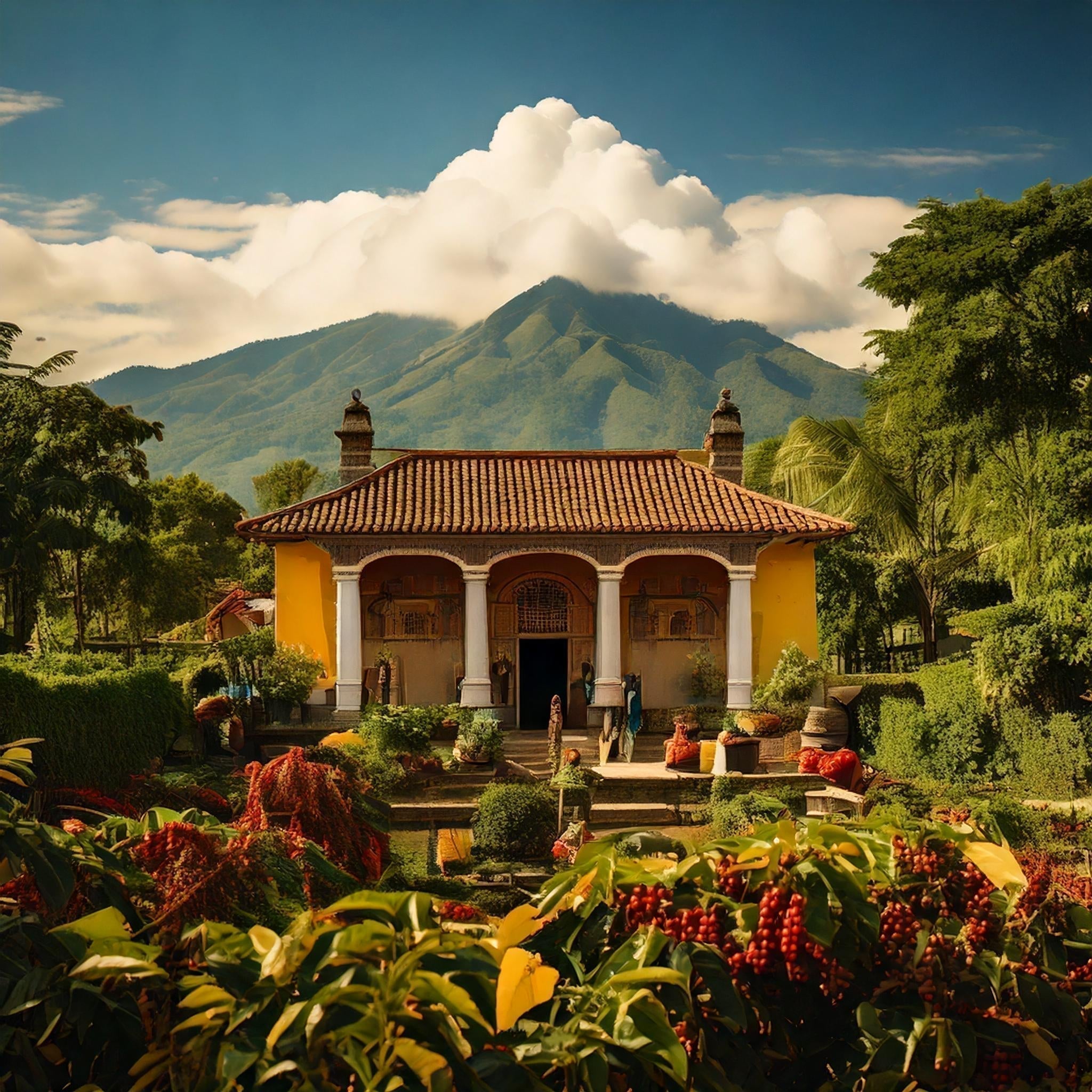
Guatemala Tradition Through Coffee: Culture, Ritual, and Daily Meaning
Coffee in Guatemala is not simply a beverage. It is a reflection of history, land, and values carried quietly through everyday life. To understand coffee within Guatemala tradition is to understand how ritual and routine blend naturally, without spectacle, without rush.
Rather than being separated from culture, coffee in Guatemala lives inside it. It appears at family tables, community gatherings, and moments of pause, shaped by generations of customs that value connection, respect, and continuity.
Coffee as Part of Guatemalan Culture

In Guatemalan culture, coffee often plays a supporting role rather than a starring one. It accompanies conversation, welcomes guests, and creates space to spend time together. The act of sharing coffee is less about technique and more about presence.
Across both rural areas and urban centers, coffee is woven into daily rhythm. It is served in homes, small cafés, and local meeting places, reinforcing the idea that ritual does not need to be elaborate to be meaningful.
Within the traditions and values in Guatemala, coffee represents:
- Hospitality without performance
- Respect for land and labor
- A slower relationship with time
These values shape how coffee is brewed, shared, and appreciated.
Guatemala Tradition and the Role of Ritual
Many traditions and customs of Guatemala are rooted in community and remembrance. Coffee naturally becomes part of these moments, not as a focal point, but as a thread that runs through gatherings both large and small.
One of the most meaningful cultural moments is Día de Todos los Santos, a day dedicated to honoring ancestors. During this time, families come together to remember, reflect, and reconnect. Coffee often appears alongside food and conversation, supporting the act of remembrance through shared presence.
 In places like Santiago Sacatepéquez, the annual Kite Festival transforms remembrance into a powerful visual ritual. While coffee is not the centerpiece of the festival, it remains part of the surrounding experience, shared before and after gatherings, grounding moments of reflection with familiarity and warmth. These traditions remind us that coffee’s role is often quiet, but deeply integrated.
Regional Identity and Central American Roots
 Guatemala sits at the heart of Central America, and its coffee culture reflects the region’s connection to land, elevation, and community. Coffee-growing regions shape not only flavor, but identity.
In rural areas, coffee is closely tied to agriculture and seasonal cycles. In cities like Guatemala City, coffee takes on a different form, still grounded, but shaped by modern life. Cafés become spaces for conversation, work, and cultural exchange, acting as contemporary extensions of long-standing traditions.
Rather than replacing home rituals, these spaces often reinforce them, helping people stay connected to origin and craft while navigating modern schedules.
Traditional Guatemalan Coffee and Everyday Life
Traditional Guatemalan coffee culture values balance. Flavors tend to be approachable, structured, and comforting rather than extreme. Coffee is meant to be enjoyed repeatedly, not evaluated intensely.

This perspective influences how flavor is understood:
- Smoothness matters more than sharp intensity
- Sweetness is appreciated when it feels natural
- Acidity is present, but integrated
In this way, coffee mirrors the broader cultural emphasis on harmony and continuity.
What Coffee Exploration Can Learn from Guatemala
Exploring coffee through the lens of Guatemala tradition invites a quieter approach to tasting. Instead of chasing novelty or optimization, it encourages awareness. Coffee becomes a way to:
- Slow down rather than speed up
- Share space rather than perform expertise
- Notice how flavor supports moments, not distracts from them
This mindset aligns closely with Opaqa’s belief that coffee exploration is not about mastery, but about attention.
Coffee as Cultural Continuity
In Guatemala, coffee does not demand attention. It earns it through repetition. By showing up consistently, at meals, gatherings, and moments of rest, it becomes part of cultural memory.
This approach reminds us that ritual does not require ceremony. Sometimes, it lives in the simple act of pouring a familiar cup and spending time together.
If you want to explore coffee with this same sense of calm and intention, What Coffee Exploration Actually Means offers a framework for tasting that prioritizes presence over performance.

Is there a formal Guatemalan coffee ceremony?
No. Coffee rituals in Guatemala are informal and woven into daily life.
How does Guatemalan coffee culture differ from Ethiopian coffee ceremonies?
Guatemala emphasizes daily ritual over formal ceremony.
What role does Mayan culture play in Guatemalan coffee traditions?
Indigenous Mayan values of community and shared nourishment strongly influence coffee culture.
Why is Antigua Guatemala important to coffee culture?
It represents the intersection of heritage, flavor awareness, and modern appreciation.
Is Guatemalan coffee usually served strong?
It is typically balanced and smooth, designed to complement food and conversation.
Understanding coffee within Guatemalan culture is less about learning a method and more about absorbing a rhythm. Coffee supports connection, reflection, and continuity, not by standing apart, but by quietly belonging.
When coffee becomes part of daily life rather than a project to perfect, it takes on deeper meaning. That is the heart of Guatemala tradition, and a reminder that some of the most powerful rituals are the ones we repeat without thinking.
If you’re curious about approaching coffee as a daily ritual, rather than a rushed habit, Opaqa’s Brew & Taste Guides offers gentle structure to help you explore flavor, balance, and presence in your own way.
Share:
Antigua Essence: Guatemala’s Coffee Heritage
Damas De Los Andes: A Spring Story in Every Cup