
Why Coffee Tastes Bitter, and How to Fix It
You’re not doing it wrong
If your coffee tastes bitter, sharp, or unpleasant, it’s easy to assume something is wrong, with the beans, the method, or even your taste. But bitterness in coffee is rarely a personal failure.
In most cases, bitterness is simply the result of how coffee was brewed, not who brewed it. Once you understand why bitterness shows up, it becomes one of the easiest flavor problems to correct, without buying new equipment or chasing complicated techniques.
What bitterness in coffee actually means
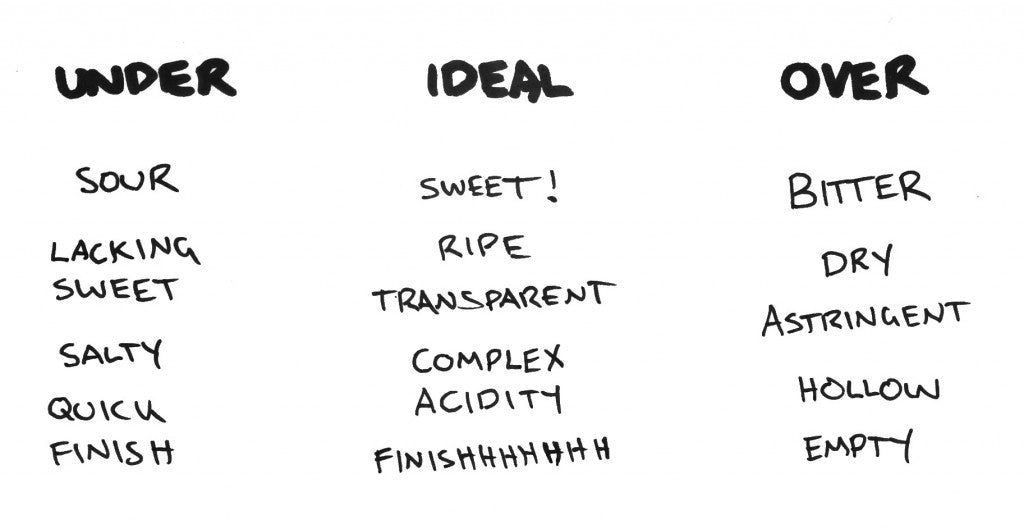
Bitterness is a natural taste category, just like acidity or sweetness. Coffee contains bitter compounds by design, they add structure and depth when balanced properly. The issue arises when bitterness becomes the dominant flavor, masking sweetness, clarity, and aroma. This usually happens during extraction.
When coffee brews, water pulls flavor compounds out in stages, when extraction goes too far, bitterness overwhelms the cup:
- Early extraction: bright acids and aromatics
- Mid extraction: sugars and balance
- Late extraction: bitter, drying compounds
Why coffee tastes bitter (the most common causes)
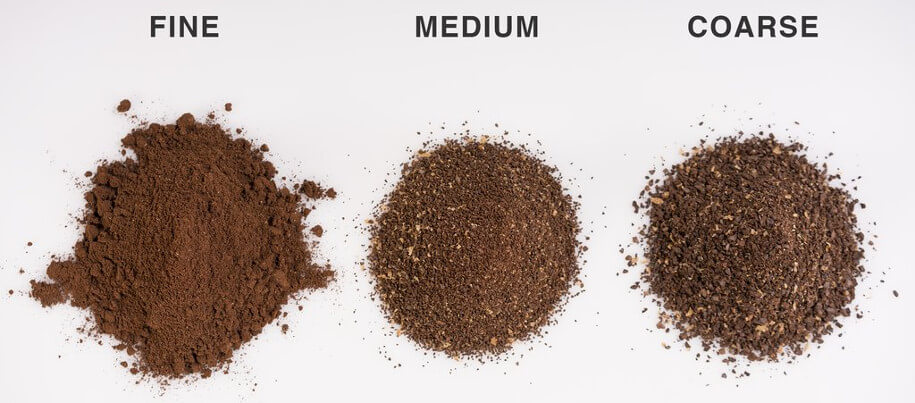
Grind size that’s too fine
A fine grind slows water flow, increasing contact time. The longer water stays in contact with coffee grounds, the more bitter compounds are extracted.
How it tastes: Dry, sharp bitterness that lingers on the tongue.
 Brewing for too long
Whether it’s espresso pulling too long or a pour-over that drains slowly, extended brew time pushes extraction past balance.
How it tastes: Bitterness that builds toward the end of the sip.
Water that’s too hot
Water that’s too hot extracts compounds aggressively — including bitter ones.
How it tastes: Harsh, almost burnt bitterness, even in lighter roasts.
Too much coffee for the amount of water
High coffee-to-water ratios can intensify bitterness quickly, especially if other variables aren’t adjusted.
How it tastes: Heavy, dense bitterness with little sweetness.
Darker roasts (without balance)
Dark roasts naturally contain more bitter compounds due to longer roasting times. This doesn’t mean dark roast is “bad,” but it does require careful brewing.
How it tastes: Smoky, sharp bitterness rather than rounded depth.
Bitter vs burnt: they are not the same
Many people describe bitter coffee as “burnt,” but these flavors are different.
- Bitter coffee usually comes from over-extraction
- Burnt coffee comes from roasting or brewing issues that scorch compounds
Burnt flavors often taste:
- Ashy
- Smoky in an unpleasant way
- Hollow rather than sharp
Understanding this difference helps you fix the right problem.
How to fix bitter coffee (without overcomplicating it)
You don’t need new gear. You need small, intentional adjustments.
Try one change at a time:
- Make your grind slightly coarser
- Shorten brew time by 10–15 seconds
- Lower water temperature slightly
- Reduce coffee dose just a bit
- Taste between each adjustment
Bitterness isn’t something to fight, it’s feedback.
Bitterness isn’t always bad
It’s important to say this clearly: not all bitterness is a flaw. Some styles, roasts, and origins naturally carry gentle bitterness that adds structure, especially in espresso or darker roasts designed for milk.
The goal isn’t to eliminate bitterness completely. The goal is balance.
When bitterness supports sweetness and body, coffee feels grounded and satisfying instead of harsh.
A health note on bitter coffee
Over-extracted or excessively bitter coffee can feel harder on sensitive stomachs and palates. While bitterness itself isn’t harmful, smoother, balanced extraction is often perceived as:
- Easier to digest
- Less harsh
- More enjoyable to drink black
This is about comfort and experience, not medical claims.
Learn to taste bitterness with clarity
If you want help identifying bitterness, and learning how to adjust with confidence, Opaqa’s Brew & Taste Guides walks you through the process step by step. It helps you:
- Recognize bitterness versus acidity
- Make small brew adjustments intentionally
- Understand what your coffee is telling you
No pressure. Just guidance.
Frequently Asked Questions
- Why does my coffee taste bitter even with good beans? Because bitterness is usually caused by over-extraction, not bean quality.
- Is bitter coffee stronger? Not necessarily. Strength refers to concentration, not flavor balance.
- Why does espresso taste bitter? Espresso is more concentrated, so over-extraction shows up faster if grind size or timing is off.
- Can coffee be bitter without being burnt? Yes. Bitterness comes from extraction; burnt flavors come from roasting or excessive heat.
- How do I know if my coffee is over-extracted? Lingering dryness, sharp bitterness, and a lack of sweetness are key signs.
Bitterness is information, not a mistake. When coffee tastes bitter, it’s not a failure, it’s a signal. Once you understand that signal, brewing becomes calmer, clearer, and far more enjoyable. Coffee stops feeling unpredictable and starts feeling like a conversation you know how to listen to.
Share:
Healthy, Sustainable Coffee: Good for You, Good for the Planet
Light vs Medium vs Dark Roast — Finally Explained