
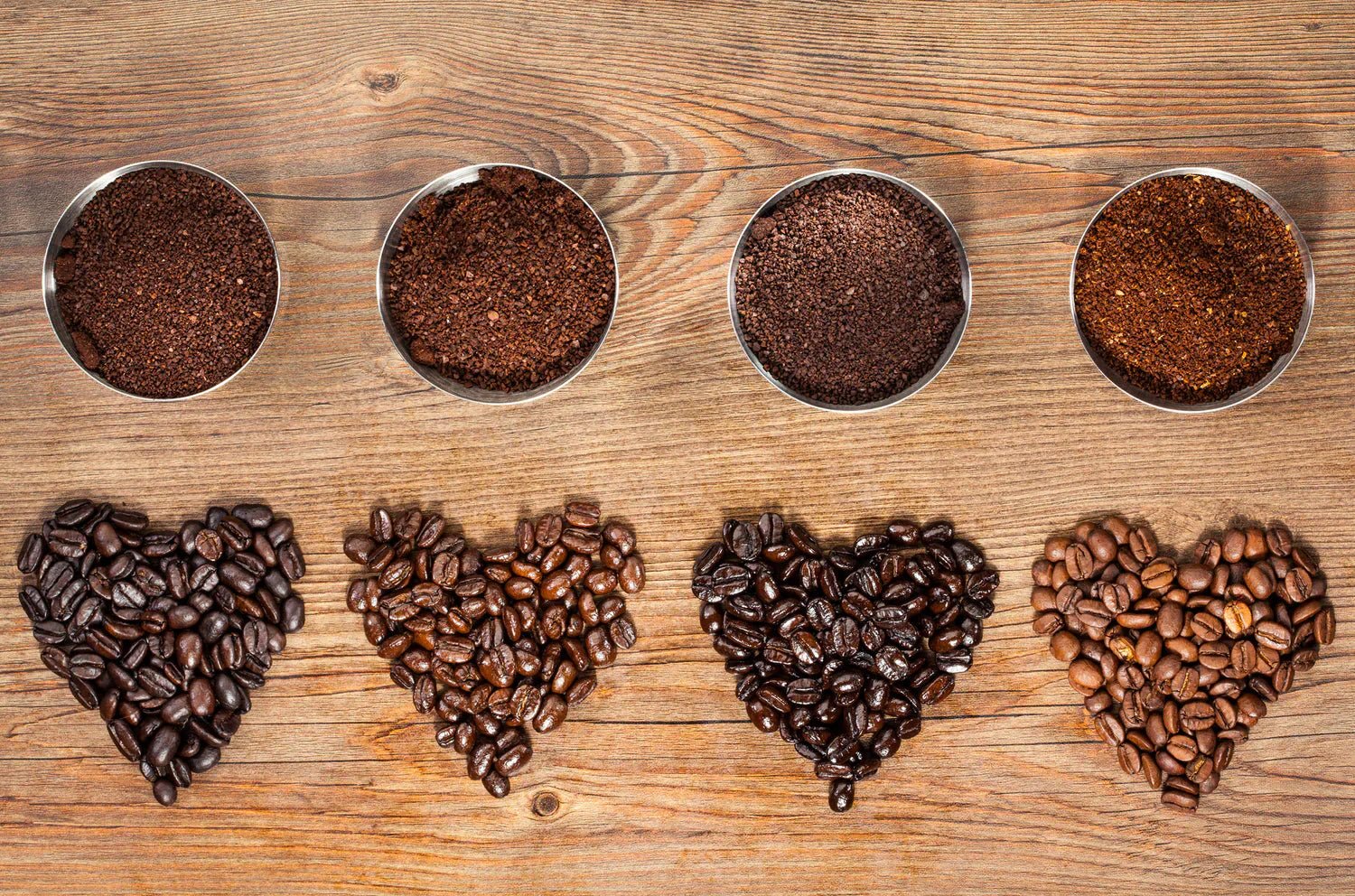
Light vs Medium vs Dark Roast — Finally Explained
It’s not about “strong” or “weak”
Light, medium, and dark roast labels are everywhere, yet they’re some of the most misunderstood terms in coffee. Many people assume:
- Dark roast is stronger
- Light roast is sour
- Medium roast is “safe”
In reality, roast level has far more to do with flavor development than strength or caffeine. Once you understand what roasting actually changes, choosing the right coffee becomes much simpler, and far more enjoyable.
What roast level really means
Roast level refers to how long coffee beans are roasted, not where they come from or how strong they are. As beans roast:
- Sugars caramelize
- Acids soften
- Aromatics shift
- Bitter compounds develop
Each roast level highlights different characteristics already present in the bean.
Light roast coffee: clarity and brightness

Light roast coffee is roasted just long enough to develop flavor while preserving origin character. What it tastes like?
- Bright
- Crisp
- Often fruity or floral
- Clear and expressive
A common misconceptions is that “Light roast is sour”, sourness usually comes from under-extraction, not the roast itself. Light roasted coffee is best for Pour-over, Drip coffee, and Coffee drinkers who enjoy nuance and clarity.
Medium roast coffee: balance and sweetness

Medium roast strikes a balance between origin character and roast development. What it tastes like?
- Balanced acidity
- Caramelized sweetness
- Rounded body
Why it’s popular? Medium roast offers familiarity without sacrificing complexity. It’s often the easiest starting point for exploring flavor. Medium Roast coffee and best for Drip machines, French press, and Versatile everyday brewing.
Dark roast coffee: depth and structure

Dark roast coffee is roasted longer, emphasizing roast-driven flavors. What it tastes like?
- Bold
- Smoky or chocolatey
- Lower perceived acidity
- Heavier body
Important clarification is that Dark roast isn’t “burnt” by default, but poorly roasted dark coffee can taste ashy or hollow. Dark roasted coffee are best for Espresso, Milk-based drinks, and Drinkers who enjoy richness and intensity.
Light vs Medium vs Dark roast: side-by-side
| Roast Level | Acidity | Sweetness | Bitterness | Body |
|---|---|---|---|---|
| Light | Higher | Subtle | Low | Light |
| Medium | Balanced | High | Moderate | Medium |
| Dark | Lower | Low–moderate | Higher | Full |
This comparison helps explain why roast choice directly affects perceived bitterness and smoothness. But, does roast level affect caffeine? Surprisingly, caffeine content is very similar across roast levels. Roast level changes flavor far more than caffeine.
Choosing the right roast for you
Instead of asking “Which roast is best?”, ask yourself:
- Do I enjoy brightness or depth?
- Do I drink coffee black or with milk?
- Am I sensitive to bitterness?
Your answers naturally guide the right choice.
How roast level connects to bitterness
Roast level plays a key role in bitterness perception:
- Light roasts highlight acidity and clarity
- Medium roasts emphasize balance
- Dark roasts amplify bitter compounds
Bitterness isn’t inherently bad, it becomes unpleasant when it overwhelms sweetness and balance.
Frequently Asked Questions
- Is dark roast stronger than light roast? No. Strength comes from brew ratio, not roast level.
- Which roast is least bitter? Light and medium roasts are often perceived as less bitter when brewed properly.
- Is light roast healthier? No roast is inherently healthier, but lighter roasts retain more origin compounds and acidity.
- What roast is best for espresso? Medium to dark roasts are commonly used, but personal preference matters.
- Why does dark roast taste burnt sometimes? Burnt flavors come from poor roasting or excessive heat, not darkness alone.
Roast level is a preference, not a rule. There’s no “correct” roast, only what aligns with your taste and brewing style. Once you understand what light, medium, and dark roasts actually offer, choosing coffee becomes intentional instead of confusing.
Share:
If Coffee Tastes Bitter, It’s Not Your Fault
Why Espresso Tastes Sour and What It’s Telling You