

Low-Acid Coffee Isn’t What You Think
Low-acid coffee has become one of the most searched coffee topics, especially among people who love coffee but don’t always love how it makes them feel. Some are looking for smoother flavor, others want coffee that feels gentler on the stomach.
Many are simply confused by labels that promise “low acid” without explaining what that actually means, and that confusion leads to assumptions.
Low-acid coffee is often imagined as flat, overly dark, or somehow stripped of character. But in reality, low-acid coffee isn’t a special category of beans or a downgrade in quality. It’s the result of how coffee is grown, processed, roasted, and brewed, and how those choices interact with your palate.
Once you understand that, the idea of low-acid coffee becomes far more nuanced, and far more interesting.
What “acid” means in coffee, and why it’s misunderstood
Acidity in coffee is not the same as acidity in food labels or nutrition charts. In coffee, acidity refers to a sensory characteristic, not a chemical threat. It contributes:
- Brightness
- Clarity
- Liveliness
- Structure in flavor
Without acidity, coffee can taste flat or hollow. With too much perceived acidity, coffee can feel sharp, sour, or uncomfortable. Low-acid coffee doesn’t mean no acidity.
It means lower perceived acidity, often described as:
- Smooth
- Round
- Gentle
- Easy to drink
This distinction matters, because many people try to “remove” acidity when what they actually want is balance.
Why acidity feels different from person to person
This is one of the most overlooked, and most important, parts of the conversation. Two people can drink the same coffee and describe it completely differently. One might say it’s bright and refreshing. Another might say it’s too acidic. That difference comes from:
- Palate sensitivity
- What you’ve eaten recently
- Brewing strength
- Temperature
- Even time of day
Some palates register acidity more intensely than others. That doesn’t mean something is wrong, it simply means your sensory system is tuned differently. Understanding this reframes the goal. You’re not trying to find the “least acidic coffee.” You’re trying to find what feels balanced to you.
Why some coffees feel more acidic than others
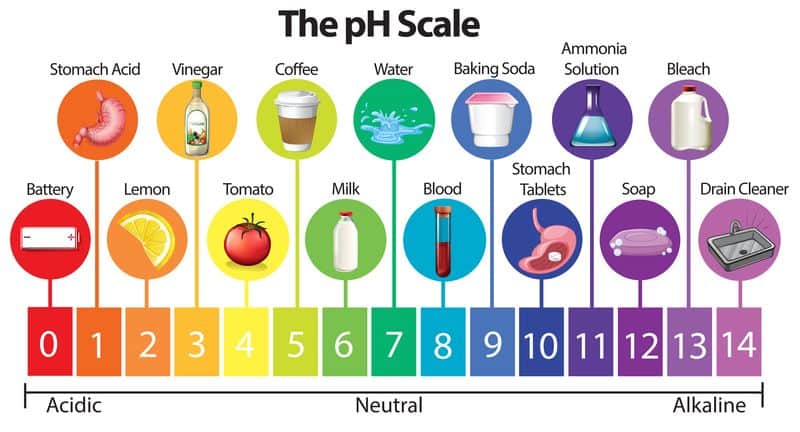
Perceived acidity is influenced by several overlapping factors. No single one tells the whole story.
1. Origin and growing conditions
Coffee grown at higher altitudes often develops brighter acidity. Climate, soil composition, and elevation all shape how acids form inside the bean. Coffees that often feel lower in acidity tend to come from:
- Brazil
- Sumatra
- Nicaragua
- Parts of Central America
That doesn’t mean these coffees lack complexity, they often express sweetness, nuttiness, and chocolate notes instead of citrus brightness.
2. Processing method
What happens to the coffee cherry after harvest has a major impact on how acidity shows up in the cup.
- Washed coffees usually feel cleaner and brighter
- Natural or honey-processed coffees often feel softer, rounder, and fuller
This is why two coffees from the same region can taste completely different.
3. Roast level and what it actually changes
Roasting transforms acids, sugars, and aromatics.
- Light roasts preserve acidity and origin character
- Medium roasts soften sharpness and emphasize sweetness
- Dark roasts reduce perceived acidity but increase bitterness
Here’s the key nuance: Lower acidity does not automatically mean darker roast. Many medium roasts deliver smoothness without tipping into bitterness, especially when brewed with intention.
4. Brewing method and extraction
Brewing often plays a larger role in acidity perception than the beans themselves. Extraction affects which compounds dominate:
- Under-extraction can emphasize sourness
- Over-extraction can emphasize bitterness
- Balanced extraction softens both
This is why the same coffee can taste bright one day and smooth the next.
Is low-acid coffee “better” for you?
Low-acid coffee is often preferred by people who:
- Are sensitive to sharp flavors
- Experience stomach discomfort with bright coffees
- Drink coffee black
- Want a smoother morning cup
This isn’t about medical claims or diagnoses. It’s about comfort and experience. Many people simply find that lower perceived acidity feels gentler, is easier to drink consistently, encourages enjoyment instead of endurance, and that matters.
Common myths about low-acid coffee
“Low-acid coffee has less flavor”
Not true. Low-acid coffees often express Chocolate, Nuts, Caramel, Brown sugar, Warm spice flavors. These flavors doesn’t disappear, it shifts.
“Low-acid coffee is always dark roast”
Also false. While darker roasts feel less acidic, roast level alone doesn’t define acidity. Origin, processing, and brewing matter just as much.
“Low-acid coffee is only for people with sensitive stomachs”
Some people simply prefer smoother, rounder coffee. No explanation required.
How brewing creates or reduces acidity perception
 Before changing beans, it’s worth looking at how you brew. Small adjustments often make a big difference:
- Slightly longer brew time can soften sharp acidity
- Slightly cooler water reduces aggressive extraction
- Immersion methods often feel rounder
- Cold brew typically tastes less acidic due to slow extraction
In many cases, perceived acidity is a brewing issue, not a coffee issue.
Low-acid coffee vs bitter coffee
This distinction is critical, sharp acidity often comes from under-extraction, excessive bitterness often comes from over-extraction
Low-acid coffee should not taste harsh or bitter. It should feel balanced, sweet, and smooth. If a coffee tastes flat and bitter, acidity isn’t the problem, extraction is.
How to choose low-acid coffee intentionally
Instead of searching for “acid-free” coffee, look at how coffee is described. Tasting notes that often signal lower perceived acidity include Chocolate, Nuts, Caramel, Toffee, and Brown sugar. Also if you see any of Citrus, Lemon, Green Apple, Berry, and Wine-like "notes" in the coffee packaging, often signal brighter acidity. Low-acid coffee is about reading cues, not chasing labels.
Frequently Asked Questions
- What is low-acid coffee? Low-acid coffee refers to coffee with lower perceived acidity, not the absence of acids.
- Is cold brew less acidic? Cold brew often tastes less acidic due to slower extraction and lower temperatures.
- Is dark roast coffee less acidic? Dark roasts tend to feel less acidic but may taste more bitter if over-extracted.
- Does espresso have less acid than drip coffee? Espresso is more concentrated; acidity perception depends on balance and extraction.
- Can brewing method reduce acidity? Yes. Brew time, grind size, and water temperature all influence acidity perception.
Low-acid coffee is about balance, not avoidance, isn’t about removing something from coffee. It’s about bringing balance into focus. Once you understand what shapes acidity, and how much control you actually have, coffee becomes calmer, more predictable, and far more enjoyable.
Share:
What Coffee Exploration Actually Means