

What Coffee Exploration Actually Means
When people hear “coffee exploration,” they often imagine something intimidating, flavor wheels, technical jargon, or professional tasters slurping coffee under bright lights. But real coffee exploration isn’t about expertise, It’s not about knowing the right words, and it’s definitely not about getting it “right.”
At its core, coffee exploration is simply learning to pay attention, to what you taste, how it changes, and what you enjoy, and anyone can do that.
Why most people think they “don’t know how to taste coffee”
Many people believe tasting coffee is a skill reserved for professionals. They assume that if they can’t identify notes like bergamot or jasmine, they’re somehow missing something. In reality, most people already taste coffee, they just haven’t been taught how to notice what’s happening.
We’re rarely encouraged to slow down with coffee. It’s something we drink while working, driving, or scrolling. Over time, we stop listening to it, coffee exploration starts by reversing that habit.
What tasting coffee actually involves

Learning how to taste coffee isn’t about memorizing flavors. It’s about observing three simple things:
- Aroma: What do you smell before you drink? Sweet? Warm? Sharp? Subtle?Aroma sets expectations, and often explains why a coffee tastes the way it does.
- Taste: On the sip itself, and notice. Is it bright or smooth? Does it feel light or heavy? Does it finish clean or linger? You don’t need names. You need awareness.
- Aftertaste: What stays with you after you swallow? Bitterness, sweetness, dryness, warmth, these clues matter more than precision.
Coffee exploration is about contrast, not perfection
One of the most powerful ways to explore coffee is by tasting differences, not chasing ideal flavors. A great way to start is to try the same coffee brewed two ways, a light roast next to a medium roast, or coffee tasted hot versus warm.
Exploration lives in contrast. When you notice change, understanding follows naturally. This is why exploration feels grounding instead of overwhelming, it meets you where you are.
Why tasting notes are guides, not answers
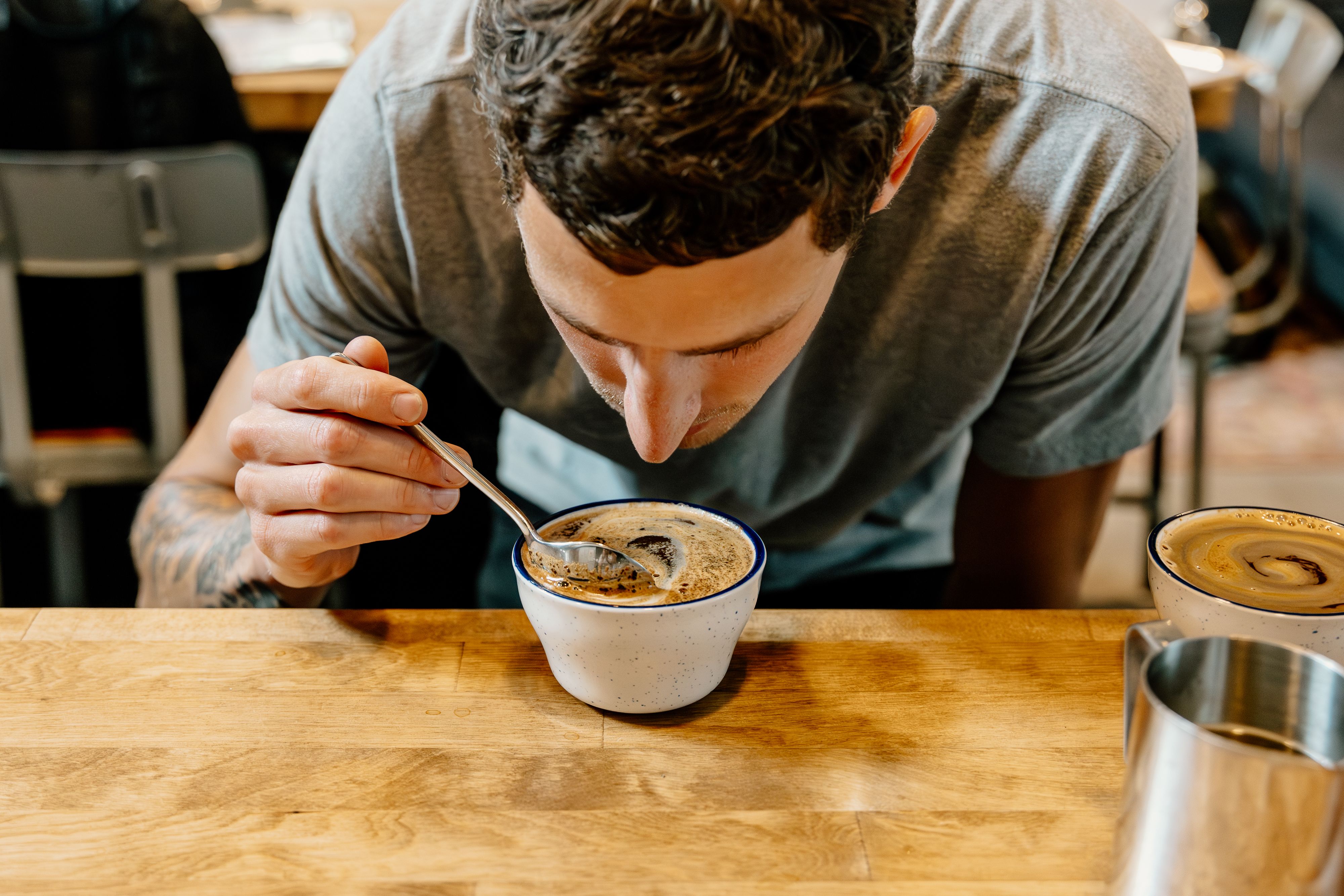 Tasting notes aren’t meant to tell you what you should taste. They’re simply references, like landmarks on a map. If a coffee is described as “chocolatey,” that doesn’t mean it tastes like a candy bar. It means the sweetness, bitterness, and body may resemble something familiar.
Your experience doesn’t need to match the description to be valid. Coffee exploration teaches you to trust your perception first, then use language as a tool, not a test.
How brewing affects what you taste
Exploration isn’t just about beans. Brewing choices shape flavor just as much. Small changes can shift your experience dramatically, such as grind size alters balance, brew time affects bitterness and acidity, water temperature influences clarity, and brewing method changes body and mouthfeel.
When coffee tastes different, that’s not inconsistency, that’s information. Exploration helps you understand why those differences happen.
Why exploration makes coffee feel easier on the body
When people feel uncomfortable after drinking coffee, they often blame the coffee itself. But discomfort is frequently tied to over-extraction, excess bitterness, or sharp acidity from brewing imbalance.
Learning how to taste helps you recognize these signals early, and adjust before coffee becomes something you endure instead of enjoy.
Exploration leads to gentler, more balanced cups simply because you’re paying attention.
Coffee exploration is a personal practice, not a performance
There’s no finish line. No score. No certification. Coffee exploration is about curiosity instead of judgment, noticing instead of labeling, and preference instead of correctness.
The more you explore, the more confident your choices become, not because you know more, but because you understand yourself better. But, how to start exploring coffee?
You don’t need special tools. You don’t need new beans. You don’t need to change everything at once. Just start by drinking coffee without distractions once in a while, smell before you sip, notice how it feels, not just how it tastes, and ask simple questions instead of searching for answers. Exploration begins with presence.
Frequently Asked Questions
- What does it mean to explore coffee? It means paying attention to taste, aroma, and balance, not memorizing flavors.
- Do I need to know tasting notes? No. Tasting notes are references, not requirements.
- How do I learn to taste coffee better? By slowing down, noticing contrast, and brewing intentionally.
- Is coffee tasting subjective? Yes, and that’s what makes exploration meaningful.
- Can anyone learn how to taste coffee? Absolutely. Exploration starts with curiosity, not expertise.
Coffee exploration doesn’t make coffee complicated. It makes it personal. When you learn to taste with intention, coffee stops being something you rush through, it starts becoming something you experience, and that’s where enjoyment deepens.
Share:
Why Espresso Tastes Sour and What It’s Telling You
Low-Acid Coffee Isn’t What You Think